Benefits of Breathwork
Breathwork is a potent practice that involves consciously controlling your breath to experience relaxation, release emotional blockages, and enhance overall well-being. Many people have powerful breakthroughs after participating in their very first session.
People worldwide have practiced conscious breathing for thousands of years — a testament to its safety and effectiveness! — but those new to the practice usually have questions about what to expect during a session, and what potential side effects they may experience.
Is Breathwork Safe?
Breathwork is safe for most people when practiced correctly and under the guidance of a trained facilitator or coach.
A report from 2013 documented the results of 11,000 people over 12 years who participated in a specific type of intense breathwork session called holotropic breathwork and experienced no negative effects. In addition to the many benefits, that were observed, no adverse reactions were reported. This makes breathwork a low-risk healing modality. There have been NO reported cases in the research or literature of any reported incidents of things like strokes, heart attacks, etc. happening from breathwork.
It is important to never practice breathwork, in water as there is always a chance of lightheadedness or passing out. This can be detrimental to your safety or those around you.
So, before starting any practice, it’s important to understand the potential side effects to ensure that you’ll have a safe and positive experience.
Breathwork Side Effects
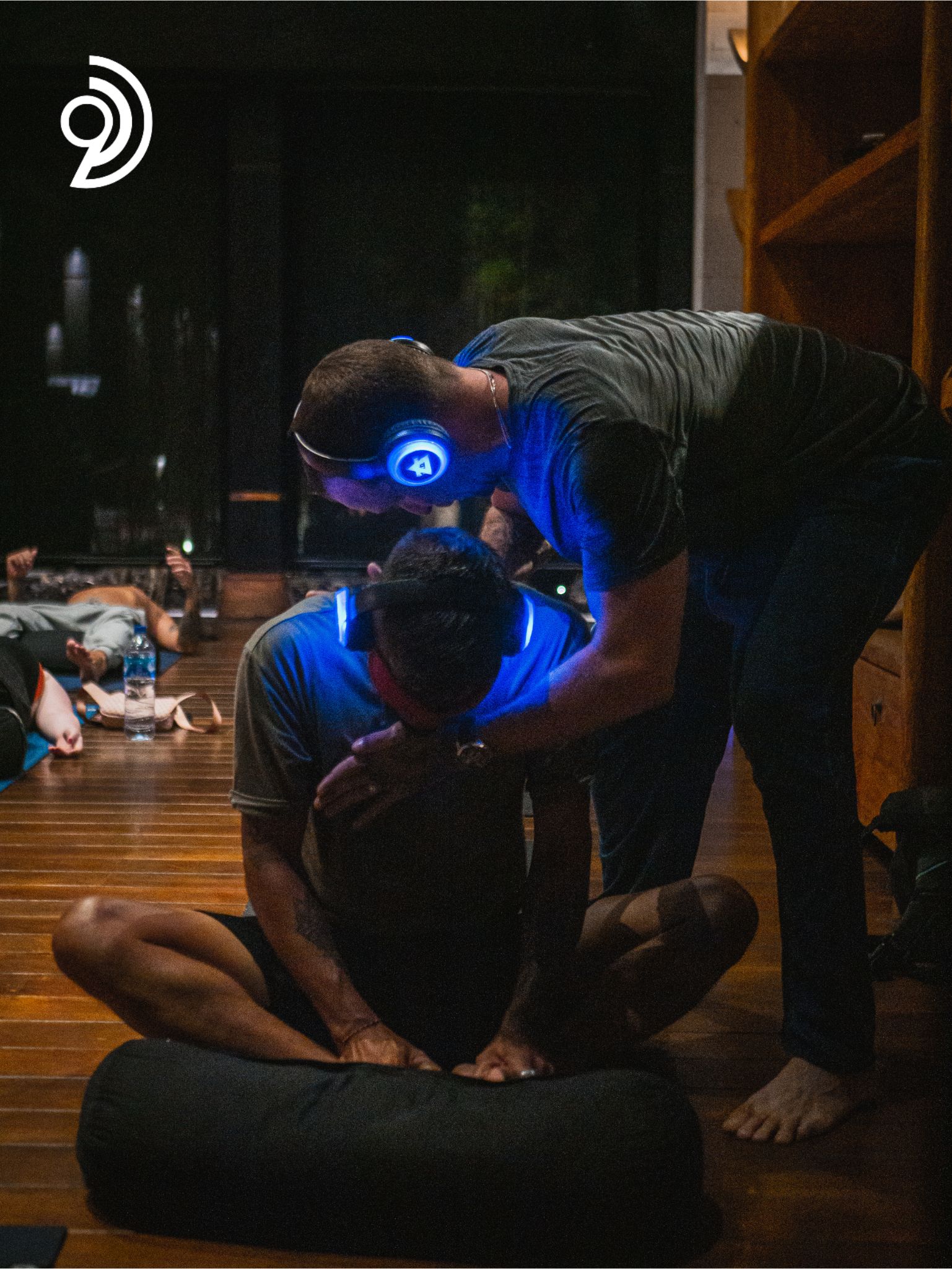
During a breathwork session, you might experience sensations and side effects that are normal, and very temporary. This is all part of the breathwork experience. At first, the sensations might feel strange, but your breathwork facilitator will guide you through your experiences and help you know when to keep going, and if and when you should stop.
We will allow time at the end of the session to discuss what you felt and experienced to help you process your journey. Journaling or discussing your experiences with your facilitator, fellow participants, or a trusted friend can aid in making sense of your session.
Here are some side effects you might experience during breathwork:
Physical Discomfort: Sensations such as tingling or lightheadedness are common. These feelings are usually temporary and subside once the session ends. Listen to your body and adjust your breathing pattern if you feel uncomfortable.
Tetany: It doesn’t happen to everyone, but it’s important to be aware of this side effect, that is caused by rapid, deep breathing. Symptoms of tetany may include muscle cramps or spasms, tingling or numbness in the hands and feet, muscle stiffness, and even muscle twitching. Tetany symptoms can range from mild to more severe depending on the individual. If your tetany becomes uncomfortable, slow down your breathing, or breathe through your nose. It can also be helpful, to gently stretch and relax the affected muscles.
Visualizations or Hallucinations: Breathwork techniques induce altered states of consciousness, heightened sensory perception, and increased sensitivity, which may lead to visualizations or hallucinations. These can range from vivid imagery to more profound hallucinations. By approaching visualizations and hallucinations with curiosity and respect, and by having the proper support of a facilitator, individuals can navigate these experiences safely and potentially gain valuable insights and experience personal growth.
Emotional and Energetic Release: This one is huge! Breathwork can facilitate the release of stored emotions and memories, which may lead to intense emotional experiences. While this emotional release can be therapeutic, it’s important to ensure you are in a safe environment and have support from a trained facilitator who can guide you through any challenging emotions that may arise. People often experience a profound emotional breakthrough after their very first session.
Who Shouldn’t Do Breathwork?
While breathwork is generally safe for most people, there are certain conditions in which caution is recommended. If you’re worried about starting a breathwork practice, particularly if you have any of the conditions below consult your facilitator.
Cardiovascular Conditions: Individuals with certain cardiovascular conditions, such as recent heart surgery, heart disease, high blood pressure, or a history of stroke, should consult with their healthcare provider before engaging in breathwork. Certain breathwork techniques, particularly those involving rapid or forceful breathing, can temporarily increase heart rate and blood pressure.
Respiratory Conditions: People with respiratory conditions such as severe asthma, chronic obstructive pulmonary disease (COPD), or other chronic lung disorders should exercise caution with breathwork. Certain breathing patterns involved in breathwork may put an additional strain, on the respiratory system.
Pregnancy: Although deep breathing and relaxation techniques can be beneficial during pregnancy, breathwork practices that involve intense breathing or breath retention are not recommended. It’s advisable to consult with a healthcare provider or your breathwork practitioner who can provide suitable modifications and ensure the safety of both the individual and the unborn baby.
Recent Surgeries: Individuals who have recently undergone surgery (especially abdominal or chest surgeries), should avoid breathwork until they have fully healed and received clearance from their doctor. Breathwork practices, that involve vigorous or forceful breathing, can put stress on surgical incisions or impact the healing process.
Psychological Conditions: Those with certain psychological conditions, such as severe anxiety disorders, panic disorders, or schizophrenia, should approach breathwork with caution. Breathwork can be an intense and potentially emotionally charged practice, it may not be suitable for everyone. Individuals with psychological conditions should consult with their mental healthcare provider to determine if breathwork is appropriate for them or if modifications are recommended.
It’s important to note that this list is not exhaustive, and individual circumstances may vary. If you have any underlying health conditions please advise your breathwork facilitator and consult your healthcare professional before trying breathwork.
How to Prepare for a Breathwork Session
- Choose a calm, quiet space that allows you to focus on your breathwork practice without distractions. Avoid practicing breathwork in extreme temperatures or environments where it may be unsafe.
- Before starting your breathwork session, take a moment to set an intention for your practice. This can be a specific goal or focus, such as relaxation, emotional release, or self-exploration. Setting an intention can help guide your experience, and create a sense of purpose.
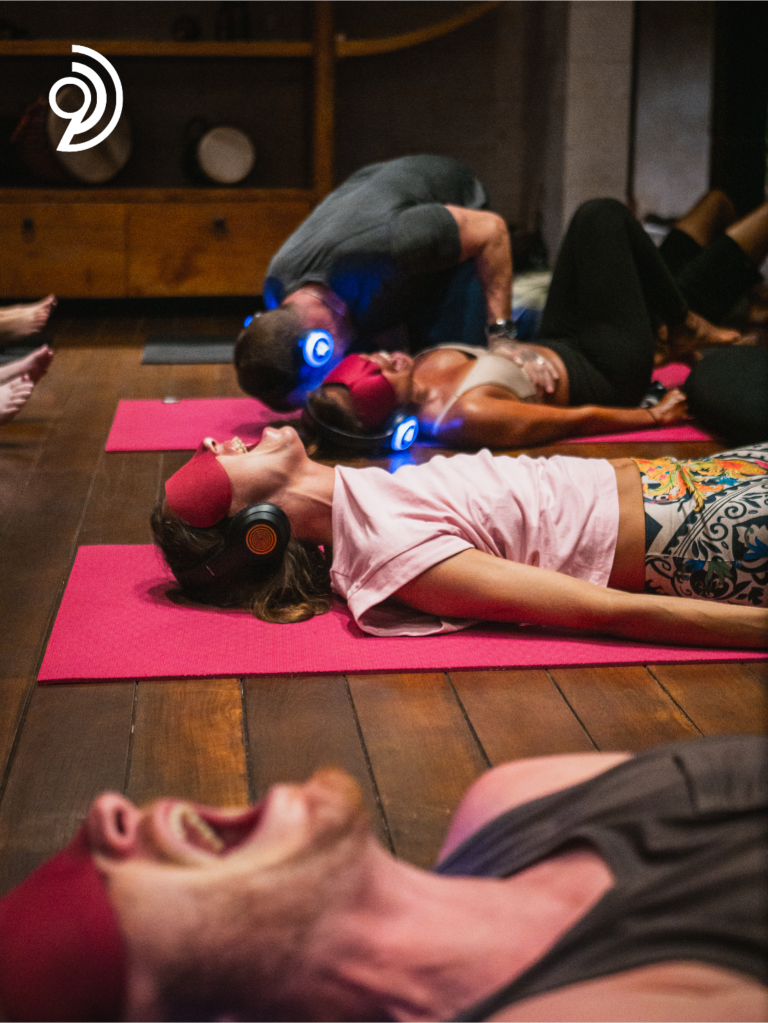
- If practicing at home, let everyone know you are engaged in a breathwork session and ask for privacy. Silence your phone to minimize interruptions and dim your lights. If you have an eye mask, use it to help block out light and distractions. Creating a peaceful and uninterrupted space allows you to immerse yourself, in the practice.
- Drink water to ensure proper hydration and avoid eating heavy meals right before a session, as this can cause discomfort during the breathing exercises.
- Dress in loose, comfortable clothing that allows unrestricted movement and deep breathing.
- Lie on a comfortable yoga mat and low pillow, and have a blanket nearby to help with changes in body temperature.
- Finally, approach your breathwork session with an open and curious mindset. Let go of any expectations and allow yourself to experience whatever arises during the practice. Remember to trust in the process!
Ultimately, the guidance of a qualified breathwork facilitator is essential to ensure a safe and beneficial practice. They can provide appropriate modifications and support tailored to your needs and circumstances.
Breathwork can be a transformative and healing practice when approached with awareness and caution. By understanding the potential side effects, respecting your body’s limitations, and seeking appropriate guidance, you can create a safe and beneficial breathwork experience, and start your healing journey.